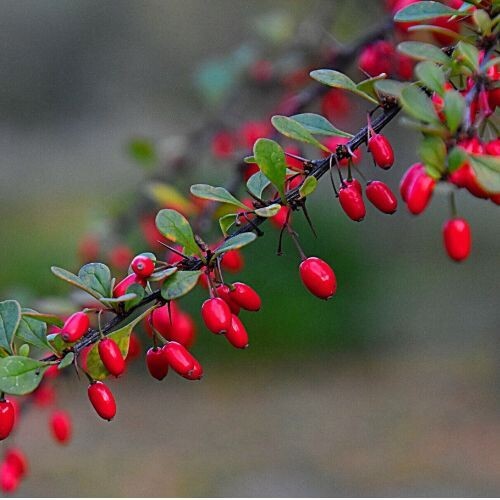
BARBERRY BARK for Horses (Wild Harvested)
Barberry Bark ( Berberis vulgaris ) is a traditional bitter botanical used to support digestion, liver function and metabolic balance in horses.
Some horses seem to gain weight if grass merely looks in their direction. Others hold a stubborn crest, struggle with seasonal abundance, or simply need more nutritional support alongside careful forage, movement and metabolic monitoring.
Barberry's golden inner bark contains naturally occurring berberine compounds. These have attracted considerable interest for their relationship with digestive, microbial and metabolic pathways, while the whole bark has a much longer traditional reputation as a bitter, digestive and liver-supporting herb.
Think supporting the machinery, not giving Ned permission to eat the entire field.
At a glance:
- Wild-harvested, human-grade and laboratory tested for identity and quality.
- Available as a tincture (6ml/100kg daily in feed, i.e. 30ml for a 500kg horse) or dried bark (origin Pakistan; 5g/100kg daily, i.e. 25g for a 500kg horse).
- NB. Not suitable for pregnant or nursing mares. Check with your vet before feeding alongside metabolic or other prescription medication.
*This is a nutritional, functional food supplement and not veterinary medicine. For more information, refer to Dr Kellon's Horse Sense - Nutrition is not 'Alternative' Therapy
.
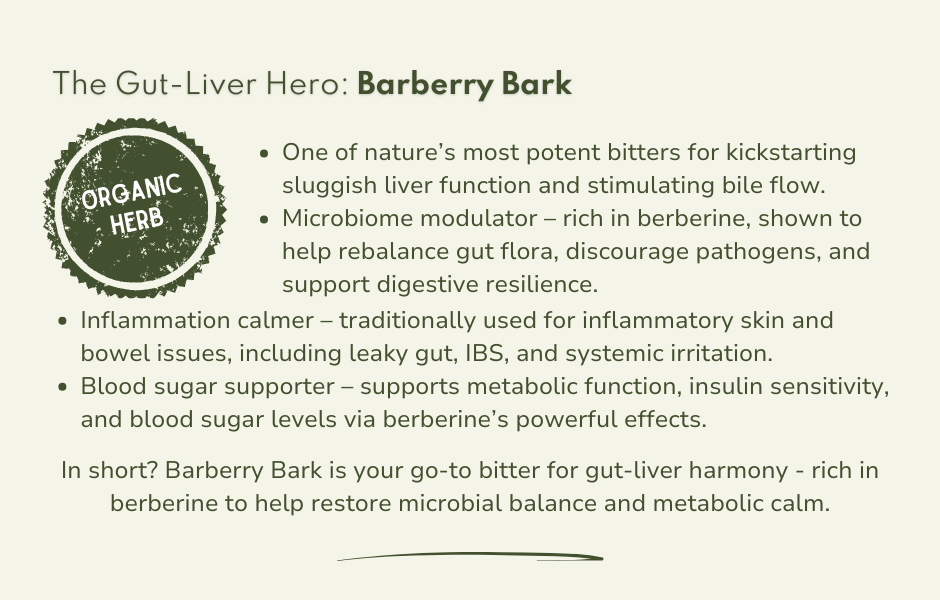
Find Barberry Bark in the EquiNatural range
Barberry Bark is part of several EquiNatural formulas, where its bitter, digestive and berberine-rich character contributes to a wider support plan:
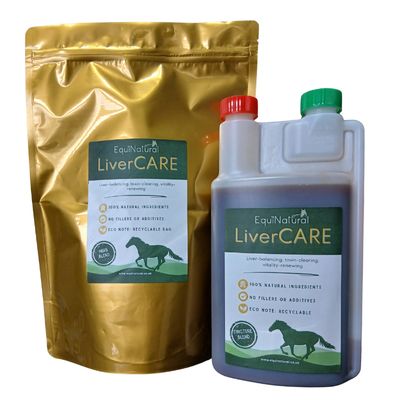
- LiverCARE – liver-supporting, antioxidant and metabolic-housekeeping support
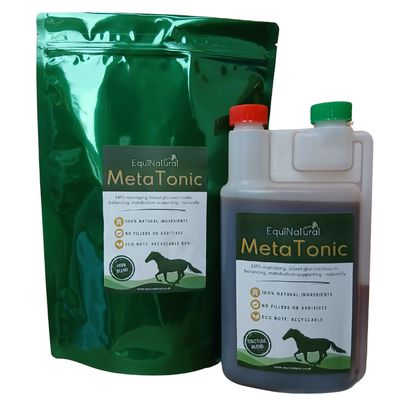
- MetaTonic – nutritional support for horses with insulin and metabolic challenges
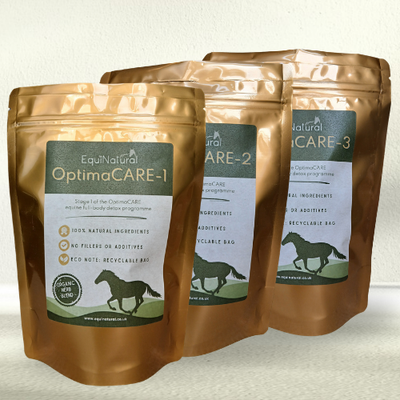
- OptimaCARE – our staged gut, liver and metabolic reset programme
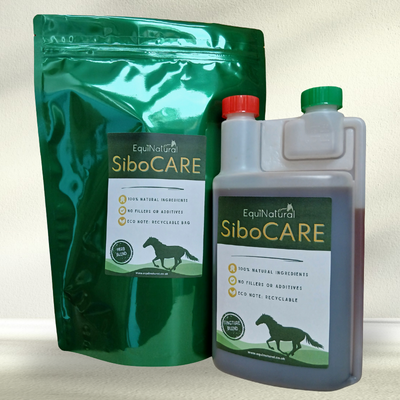
- SiboCARE – support for hindgut microbial balance, gas and digestive sensitivity
Barberry bark feed guide & dosage
💧Barberry bark tincture
Our human-grade, certified organic tinctures capture the plant's naturally occurring constituents in a concentrated, easy-to-feed liquid form.
- Berberis vulgaris, Cut Bark, Dried
- Decocted 1:3 35%
- Wild Crafted
- Feed Guide - 6ml/100kg bodyweight, daily in feed
🌿Dried barberry bark
Grown, harvested and dried without agri-chemicals, non-irradiated and GMO free - see our Quality page for Quality Management & Certification Documents.
- Berberis vulgaris, Cut Bark, Dried
- Wild Harvested
- Origin Pakistan
- Feed Guide - 5g/100kg bodyweight per day, i.e. 25g for a 500kg horse
Naturally occurring plant constituents
Includes: Isoquinoline alkaloids, flavonoids, tannins, phenolic compounds, triterpenes, sterols, flavonols.
Footnotes
- Laboratory tested for identification and compliance to the British and European Pharmacopoeia standards.
- Human grade.
- Please be aware that if you're purchasing our dried botanicals for human use, our dried range is cut to appropriate sizes for feeding to horses.
- ♻️ Eco Note: Our packaging is recyclable and refillable.
How Barberry bark works in horses
If you'd like the science, ‘energetic architecture’ explains how a herb is designed to work within the body - not just what’s in it, but the particular tissues and functions it has an affinity with.
Barberry is a cooling, bitter botanical with a particular affinity for digestion, liver function, microbial balance and the pathways involved in managing energy.
- Waking up digestive communication. Bitter compounds signal the digestive system that food is on its way. Barberry has traditionally been used where digestion seems sluggish and the liver–digestive relationship needs a little nutritional encouragement.
- Supporting the microbial environment. Berberine and related alkaloids have been widely studied for their interaction with microorganisms. Within a whole-herb programme, Barberry is used to help support a healthier intestinal environment.
- Working alongside metabolic regulation. Laboratory and human research suggests berberine can influence cellular pathways involved in glucose and fat metabolism, including AMPK signalling.
The big picture
Barberry Bark supports the digestive, microbial and metabolic machinery that helps the body handle what comes in and use it appropriately. Bitter enough to get everyone's attention, including Ned's taste buds.
Barberry bark safety
Barberry Bark is a naturally active, alkaloid-rich botanical, generally well tolerated at the recommended feeding level.
- Pregnant or nursing mares: do not feed. Safety data are limited, and berberine-containing herbs are generally avoided during pregnancy and nursing.
- If your horse is receiving prescription medications - including long-term pain relief or anti-inflammatory drugs - check with your vet before use, as Barberry may influence how some substances are processed in the body.
- May be fed alongside prescribed metabolic medication, including canagliflozin (Invokana), but keep your vet informed and continue any recommended insulin, glucose and triglyceride monitoring. If feeding another blend containing Barberry Bark, check the combined intake before adding it separately.
Barberry bark in history & tradition
Barberry is one of those shrubs that gives fair warning of its character.
It has sharp spines, intensely sour berries, distinctly bitter bark and an inner wood so yellow that it appears to have been coloured in with a highlighter. Delicate and indecisive it is not.
That golden colour comes largely from berberine, one of a family of alkaloids found within the bark and wood. Long before anyone could name the compound, herbalists recognised Barberry by its colour, its bitterness and its unmistakable effect on the digestive system.
Its berries and bark developed quite separate lives. The tart red fruits found a place in food, preserves and Middle Eastern cookery, while the yellow bark and root were reserved for herbal preparations. Across European, Persian and other traditional practices, the bark became associated with sluggish digestion, liver support and what older herbalists colourfully called biliousness.
That old word covered a multitude of digestive grumbles: poor appetite, heaviness after food, an unsettled bowel and the general impression that the internal housekeeping had gone on strike.
Barberry also became known as the jaundice tree, partly because of its yellow bark and partly because traditional herbalists associated it with the liver. This was a classic example of the old Doctrine of Signatures, the belief that a plant's appearance offered clues to its usefulness. We wouldn't use colour as clinical evidence today, obviously, otherwise turmeric would have qualified as a consultant hepatologist centuries ago.
A shrub with an agricultural scandal
Barberry's British story has another unexpected chapter.
It was once widely planted in hedgerows, where its thorns made an excellent livestock barrier. Farmers then began noticing that wheat growing near Barberry could be badly affected by black stem rust.
What initially sounded like country folklore eventually proved botanically astute: common Barberry can host another stage in the life cycle of the fungus responsible for wheat stem rust. Large numbers of shrubs were subsequently removed from British hedgerows during the nineteenth century and the First World War.
So Barberry managed to be a food, dye plant, herbal bitter, stock-proof hedge and agricultural troublemaker. Quite a CV for one cheerful-looking shrub.
From traditional bitter to modern berberine interest
Today, much of the attention has shifted from the whole plant to isolated berberine.
Modern research has explored the compound's relationship with microbial activity, cellular energy sensing, glucose handling and lipid metabolism.
The traditional herbal picture remains useful: Barberry is a purposeful bitter with an affinity for digestion, liver function and metabolic housekeeping.
Bright, bristly and distinctly unimpressed by nonsense, Barberry brings more to the hedge than just good looks.
Barberry bark FAQs
How do I know if Barberry Bark is the right herb for my horse?
We'd consider Barberry where digestive, liver and/or metabolic support are all part of the picture.
That may be a good doer who holds weight and develops a crest easily, or a horse whose system seems less able to manage rich grazing and seasonal abundance. It may also suit a wider digestive or liver-support plan where a traditional bitter herb is wanted.
Is Barberry Bark the same as a berberine supplement?
No. Barberry Bark naturally contains berberine alongside other alkaloids, tannins, flavonoids and plant compounds. A concentrated berberine product supplies an isolated or standardised amount of that single constituent.
Research using concentrated berberine can't automatically tell us how a whole-bark preparation will behave, and the doses used aren't interchangeable.
Can Barberry Bark replace weight management or metabolic medication?
No, despite Ned very much wanting us to say otherwise.
Barberry can provide nutritional support, but the foundations of metabolic management remain appropriate forage, controlled grazing, healthy body condition, suitable movement where soundness allows, and veterinary monitoring.
Can Barberry Bark be fed long term?
It can be used as part of an ongoing nutritional plan where appropriate, but it's an active bitter herb, not something we'd add indefinitely without occasionally reassessing the reason for feeding it.
Watch the horse, review the wider diet and check whether Barberry is still doing a clear job. If metabolic medication, significant liver concerns or persistent digestive symptoms are involved, keep your vet in the conversation.
© EquiNatural 2026. Written by Carol Moreton, Founder, EquiNatural. All content is original work protected under copyright, and may not be re-published, duplicated, or rewritten for commercial use without permission.