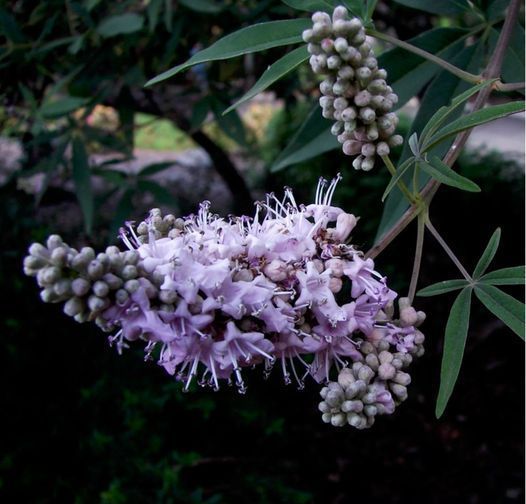
ORGANIC AGNUS CASTUS for Horses & Mares (Vitex agnus castus)
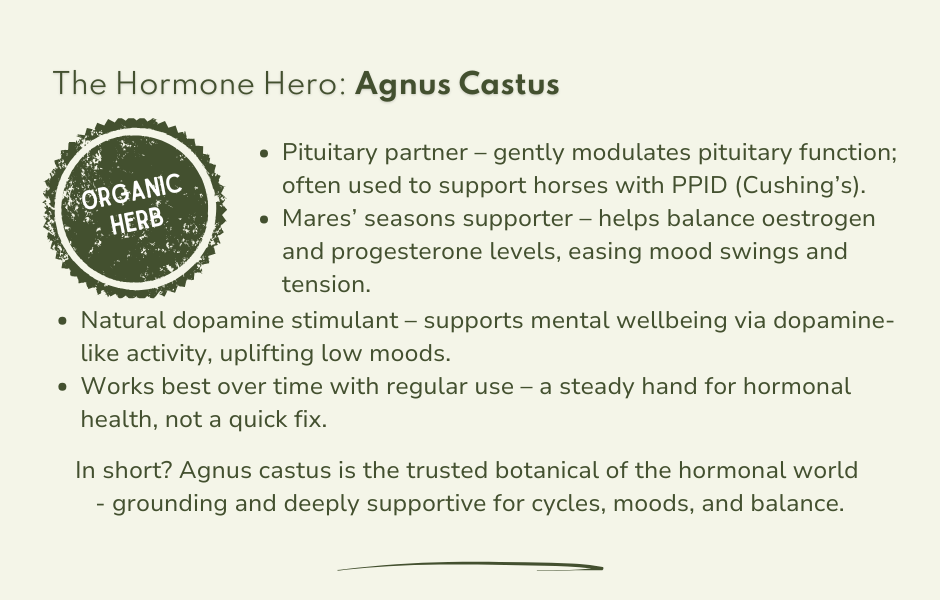
Agnus castus is a traditional botanical used to support hormonal balance and pituitary function, particularly in mares and horses with endocrine challenges such as PPID.
A time-honoured botanical with a particular relationship to dopamine-responsive pituitary pathways, Agnus castus is traditionally used where hormonal or endocrine regulation is the bigger picture.
Think regulation, not sedation: one little berry, working surprisingly high up the hormonal conversation.
NB. Agnus castus shouldn't be fed alongside Prascend. If your horse is medicated, see our CushTonic-2.
*This is a nutritional, functional food supplement and not veterinary medicine. For more information, refer to Dr Kellon's Horse Sense - Nutrition is not 'Alternative' Therapy
.
Where to find Agnus castus in the EquiNatural range
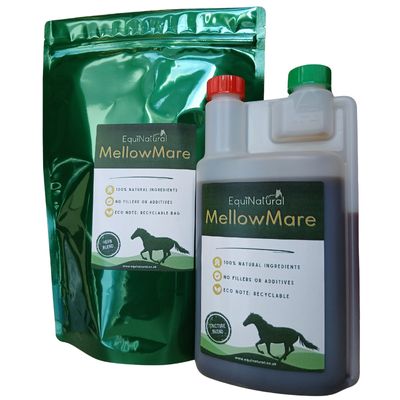
You'll find Agnus castus in MellowMare , where it sits inside a broader formula for mares whose seasons show themselves through mood, tension, sensitivity or behaviour.
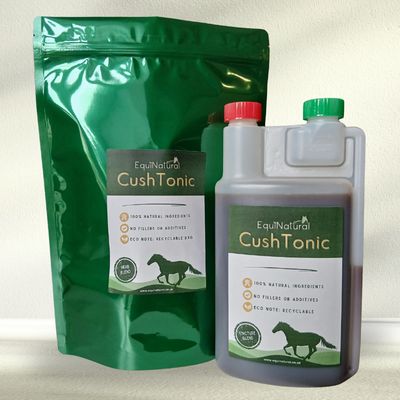
Second, CushTonic-1 , our nutritional support formula for horses with PPID who aren't on Prascend. Horses taking Prascend need CushTonic-2 instead, which is formulated without Agnus castus and our other dopaminergic herbs.
Agnus castus feed guide and dosage
💧Organic agnus castus tincture
Our human-grade, certified organic tinctures capture the plant's naturally occurring constituents in a concentrated, easy-to-feed liquid form.
- Vitex agnus-castus Berry
- Distilled /Decocted 1:3 25%
- Wild harvested
- Feed Guide - 6ml/100kg bodyweight, daily in feed.
🌿Organic agnus castus berry (dried)
Grown, harvested and dried without the use of agri-chemicals, non-irradiated and GMO free - see our Quality page for Quality Management & Certification Documents.
- Vitex agnus-castus , Whole Dried Berry
- Organic Cultivated
- Origin Turkey
- Feed Guide - 5g/100kg bodyweight per day, i.e. 25g for a 500kg horse.
Footnotes
- Laboratory tested for identification and compliance to the British and European Pharmacopoeia standards.
- Human grade.
- Please be aware that if you're purchasing our dried botanicals for human use, our dried range is cut to appropriate sizes for feeding to horses.
- ♻️ Eco Note: Our packaging is recyclable and refillable.
- 🧊 Storage Tip: Keep cool and dry.
Energetics - how Agnus castus works
If you want the science, ‘energetic architecture’ explains how a herb is designed to work within the body - not just what’s in it, but the particular tissues and functions it has an affinity with.
Agnus castus is a gently regulating herb with a particular affinity for the pituitary gland and dopamine-responsive endocrine pathways.
- Dopamine signalling - In lab studies, compounds in Agnus castus have shown dopaminergic activity, including interaction with dopamine receptors. That helps explain why herbalists have long linked it with the pituitary, where dopamine plays a key regulatory role.
- Steadier hormonal rhythms - Through that dopamine-responsive pituitary relationship, it may help support the communication behind reproductive cycles and seasonal endocrine patterns. It doesn’t provide oestrogen or progesterone - it supports the body’s own hormonal regulation.
- Behaviour via endocrine balance - Agnus castus isn't a sedative; where behaviour shifts alongside hormonal or seasonal patterns, think endocrine support, not nervous-system calming.
Big picture
Agnus castus doesn’t take over hormone production or tell any other hormone what to do. Its affinity lies higher up the chain, where dopamine and pituitary signalling help organise the wider pattern.
It works at the control desk, not by adding more hormones to the conversation.
Clinical considerations
- PPID and Prascend (pergolide) – avoid Agnus castus alongside Prascend unless specifically advised by your vet. Both act on dopamine-related pathways, so we keep the two support routes deliberately separate. For horses receiving Prascend, see CushTonic-2.
- Pregnant or nursing mares – check with your vet before feeding Agnus castus during pregnancy or lactation.
Agnus castus in history & tradition
Agnus castus has collected some memorable names over the centuries: chaste tree, chasteberry and monk's pepper. You can probably see where this is heading.
The story goes that the berries were slipped into monks' food to keep their thoughts on prayer and off more earthly distractions. Whether it worked is another question, but the reputation certainly stuck. By 1790 the botanical writer William Woodville was recording the tale behind the name.
Its history stretches back much further than the monastery kitchen. Dioscorides wrote about it in the first century AD, and the chastity association was already part of its identity. This little berry had quite a reputation long before anyone could investigate its chemistry.
It had a practical kitchen chapter too. The fruits were used as a pepper substitute from antiquity, so 'monk's pepper' wasn't just a cheeky nickname - a seasoning with rather more attached to it than flavour.
What I like about all this is how much history survives in a plant's everyday names. Chasteberry gives us an old belief, and monk's pepper wafts us straight into the monastery kitchen. Neither tells the whole story, but both give a glimpse of the people who used it.
Here at EquiNatural, its place is hormonal and endocrine support. The monks would probably have found the modern pituitary conversation a little baffling baffling!
One little berry, a very long backstory, and rather a lot expected of it at dinner.
Agnus castus FAQs
How do I know if Agnus castus is the right herb for my horse?
We'd look at Agnus castus when the picture seems hormonal or endocrine rather than simply nervous or behavioural.
Perhaps a mare changes noticeably around her seasons, or an older horse is showing signs that have you thinking about pituitary and endocrine function.
Agnus castus works higher up the hormonal conversation, supporting dopamine-responsive pituitary signalling and the body's own endocrine rhythms.
So think regulation rather than sedation.
Is Agnus castus just for mares?
Not at all. Mares get most of the attention because of its long association with reproductive hormones, but its affinity is with the pituitary and dopamine pathways, not 'female hormones' as such.
That's also why it has a long history of use in older horses where PPID is part of the picture.
What's the difference between Agnus castus and MellowMare?
Agnus castus is a single herb for straightforward hormonal and pituitary support. MellowMare is our broader mare formula for the horse whose seasons show up through mood, tension, sensitivity or behaviour, bringing together herbs that support both the hormones and the way the mare feels and responds.
So if Agnus castus fits the job, keep it simple. If the whole mare seems to arrive with her hormones, MellowMare brings in the team.
Can I feed Agnus castus to a horse with PPID?
It has a long-standing place in nutritional support for horses with PPID because of its relationship with dopamine-responsive pituitary pathways, and it's the backbone of our CushTonic-1. Two things worth knowing.
First, if your horse is taking Prascend (pergolide), don't feed Agnus castus alongside it. CushTonic-2 is the one for medicated horses.
Second, be realistic about what it does. Owners often report a better coat and a brighter horse, but it hasn't been shown to bring ACTH down. So if PPID is on the table, get it properly confirmed with an ACTH test and keep an eye on the numbers, not just the coat.
© EquiNatural 2026. All content is original work protected under copyright, and may not be re-published, duplicated, or rewritten for commercial use without permission.