CALENDULA for Horses (Calendula officinalis) | Organic Skin Health, Coat & Tissue Support
Benefits of Calendula Flowers for Horses
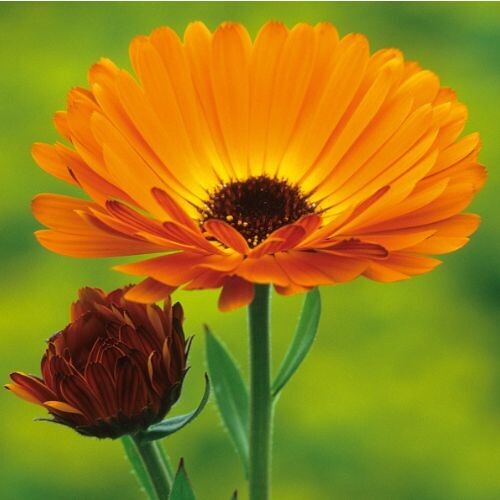
Calendula’s golden petals aren’t just pretty - they’re powerful! From soothing skin and supporting digestion to keeping the lymphatic system flowing, this sunny flower has been a trusted healer for centuries.
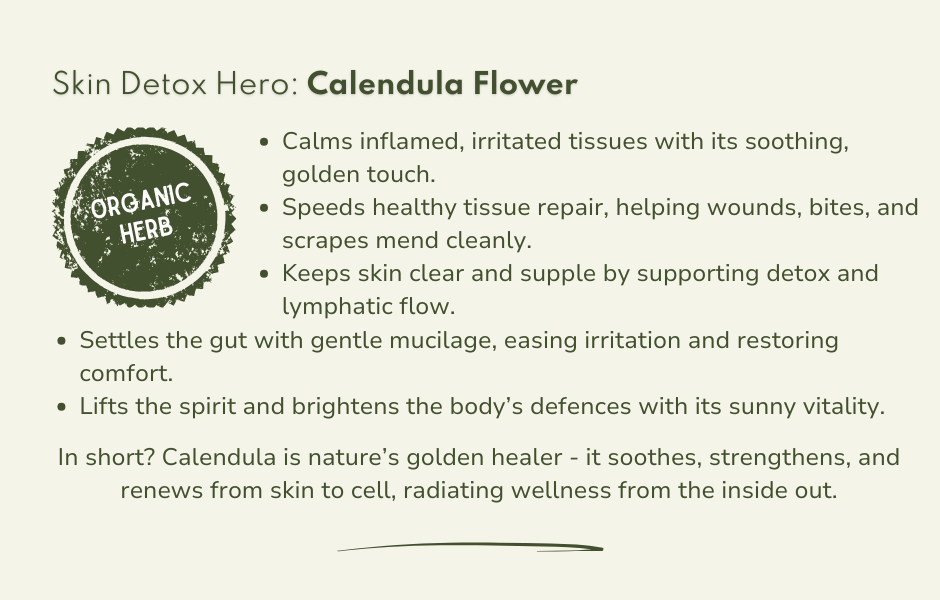
Both a protector and a restorer, calendula helps tissue knit cleanly, calms local inflammation, and encourages healthy drainage through the lymphatic system. A versatile herb for any blend focused on repair, detox, or calm vitality.
Please note this is a nutritional, functional horse food supplement and not veterinary medicine. See Dr Kellon's Horse Sense - 'Nutrition is not 'Alternative' Therapy.
Find Calendula in the EquiNatural range
Where skin and lymphatic cleansing needs support, that's where you’ll also find Calendula in our equine supplement range:
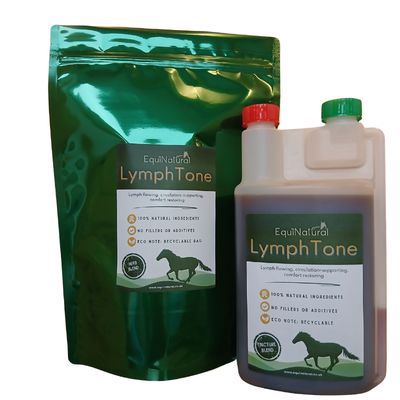
- LymphTone (Calendula&Cleavers) - lymph-flowing and circulation-supporting for puffy limbs
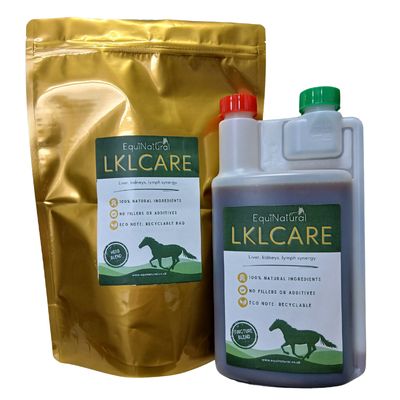
- LKLCARE - liver, kidneys, and lymph synergy
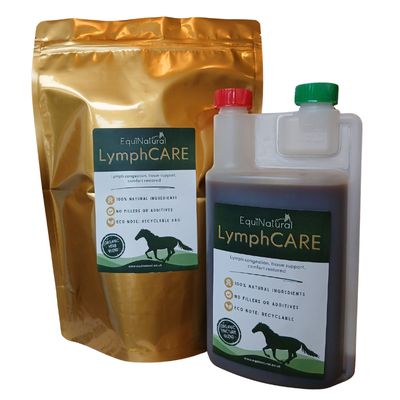
- LymphCARE - lymph congestion, tissue support, comfort restored
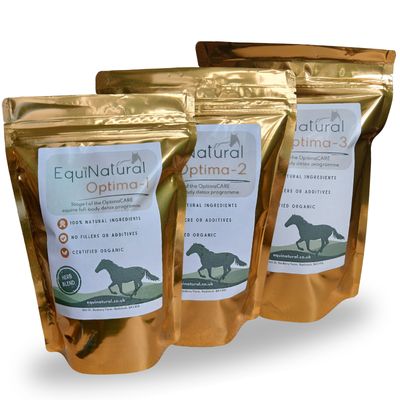
- OptimaCARE - a comprehensive, regenerative, nutritional deep-reset plan for horses to help restore metabolic balance
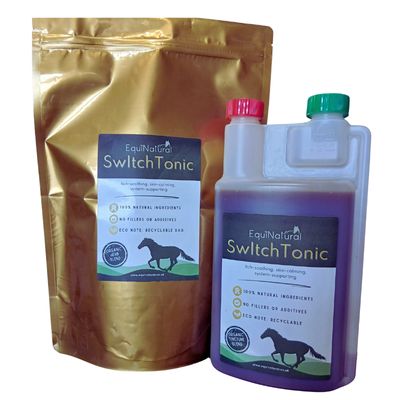
- SwItchTonic - itch-soothing, skin-calming, system-supporting
Composition & Feed Guide
💧Organic Calendula Tincture
Our human-grade, certified organic tinctures give you a ready-to-absorb potent source of phytonutrients at the highest-strength available, for immediate absorption straight into the bloodstream and to the body’s cells.
- Calendula officinalis (Marigold), Petals
- Cold Macerated 1:3 90%
- Organic Cultivated
~ Feed Guide - 6ml/100kg bodyweight, daily in feed.
🌿Organic Calendula Flowers ( Dried)
Grown, harvested and dried without the use of agri-chemicals, non-irradiated and GMO free - see our Quality page for Quality Management & Certification Documents.
- Calendula officinalis (Marigold), Flowers
- Organic Cultivated
- Origin Egypt
~ Feed Guide - 5g/100kg bodyweight per day, i.e. 25g for a 500kg horse.
Functional Nutritional Value
Constituents: Flavonoids (including rutin and narcissin), triterpenoid saponins (calendulosides A-D), volatile oil, carotenoids, phenolic acids (chlorogenic acid and coumaric acid), resin, sterols, tannin, amino acids, mucilage, and polysaccharides.
Footnotes
- Laboratory tested for identification and compliance to the British and European Pharmacopoeia standards.
- Human grade.
- Please be aware that if you're purchasing our dried botanicals for human use, our dried range is cut to appropriate sizes for feeding to horses.
- ♻️ Eco Note: Our packaging is recyclable and refillable.
- 🧊 Storage Tip: Keep cool and dry.
Clinical Considerations
A gentle, soothing herb traditionally used to support healthy skin and natural repair processes, Calendula is generally very well tolerated by horses both internally and topically.
Advisories
- When using topically, always make sure the area is clean first. Calendula supports healthy tissue repair, so applying it over debris or unclean wounds may trap unwanted material.
- Introduce gradually when feeding, especially for horses with sensitive digestion or long-standing skin issues.
Contraindications
- A void during pregnancy, as Calendula has been traditionally associated with mild uterine-stimulating activity.
Calendula in History & Tradition
Calendula's bright golden petals don’t just catch the light - they beam it back at you. Shakespeare himself was charmed, writing in The Winter’s Tale :
“The marigold, that goes to bed wi’ the sun
And with him rises weeping.”
Poetic, dramatic, and entirely fitting for a bloom that opens and closes with daylight like a little herbal sunrise.
Known to most of us as marigold, calendula first starts appearing in European texts around the 12th century. Hildegard von Bingen - medieval nun, herbalist, composer, and all-round superwoman- described it as “ cold and moist ,” praising its healing virtues and even recommending it for poisons. (Hildegard was not one to mince words.)
By the Middle Ages, calendula was seen as a flower that could lift the spirits simply by being looked at. Herbalists insisted it “ comforted the heart ,” soothed melancholy, and drew away “ evil humours.” Cut to 1629 and John Parkinson said it was used in sweet conserves and syrups specifically to cheer the mind - basically the 17th-century equivalent of a self-care latte.
And interestingly? Modern research does hint at mood-supportive qualities. Scorecard: The Ancestors - 1, Contemporary Science - scrambling to keep up.
One of nature’s best healers
Calendula’s healing reputation is legendary. Samuel Hahnemann, the founder of homeopathy, swore by it for cuts, burns, and wounds. During the American Civil War and World War I, when medical supplies ran thin, soldiers used calendula poultices on the battlefield - because when everything else ran out, calendula still worked.
Today, herbalists treasure it for its wide-reaching gifts:
- Naturally calming for inflammation
- Helpful when tissues are irritated, raw, or slow to mend
- Comforting for scratches, grazes, bites, and burns
- A soothing ally for rashes, sunburn, dermatitis
- Supportive for fungal infectins like thrush
- And especially useful for tender issues such as haemorrhoids and varicose veins
Calendula seems to have made a life decision to help wherever things are sore, inflamed, hot, stuck, or sluggish - a true team player.
A lymphatic hero
One of calendula’s secret talents is how brilliantly it works with the lymphatic system - the body’s housekeeping crew. Calendula helps drain irritants, and keeps lymph flowing instead of stagnating.
This is why herbalists often pair calendula with cleavers- a dynamic duo for swollen glands, sluggish lymph, or systemic congestion. Horses benefit enormously from this pairing, too.
Gut sunshine too
Calendula isn’t just a skin saviour - its gentle bitters and mucilage (soothing gel-like plant magic) help calm irritated digestive tissues.
Traditionally used for:
- Reflux and hot, irritated stomachs
- Ulcers
- IBS-type irritation
- Leaky gut or compromised mucosa
It’s basically a soft blanket for inflamed internal surfaces.
Meanwhile... in the kitchen
Calendula has long appeared in soups, salads, breads, and broths - medieval cooks used it to colour cheese and even fake saffron (calendula was “poor man’s saffron” for centuries). The petals still make a lovely garnish - bright, cheerful, and wonderfully good for you.
Folk traditions also used it for lowering fevers and encouraging a healthy, cleansing sweat - which makes sense given its warming, moving qualities.
In short?
Calendula is one of nature’s most generous healers - a sunny ally for skin, gut, lymphatics, immunity, and even the spirit.
Bright on the outside, soothing on the inside, and endlessly helpful - and quite rightly cherished for nearly a thousand years.
© EquiNatural 2026. All content is original work protected under copyright, and may not be re-published, duplicated, or rewritten for commercial use without permission.