DEVIL'S CLAW (Harpagophytum procumbens) *Organic herb tincture for horses - deep strength, bitter power, targeted comfort
Benefits of Devil's Claw for Horses
Devil’s claw, Africa’s clawed root, is famed for its targeted nutritional potency for horses needing stronger 'acute' comfort support for injury, stiff joints, or muscular tension.
Deeply rooted in tradition and rich in bioactive compounds, Devil’s Claw brings its signature bitter power to help when it's needed most - a potent time-honoured herb with a long legacy of supporting equine comfort.
Please note this is a nutritional, functional food supplement and not veterinary medicine. For more on this, see Dr Kellon's Horse Sense - N utrition is not 'Alternative' Therapy .

Devil's Claw in the EquiNatural range
Here’s where you’ll find devil's claw in our supplement support for horses:
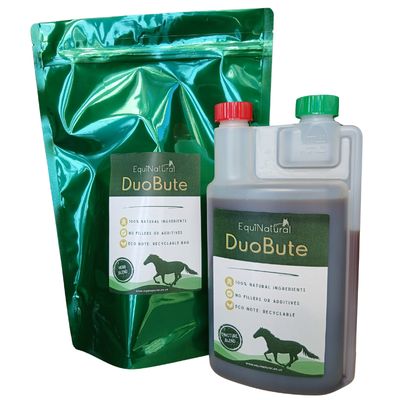
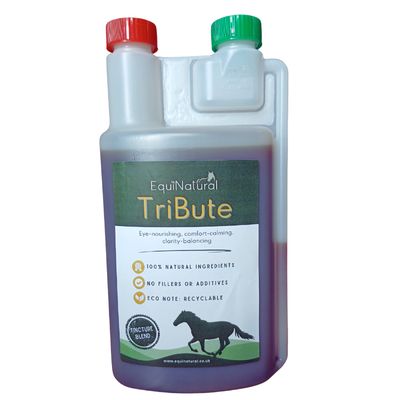
- TriBute - our nearest bute alternative; fast-acting, acute-supporting, comfort-sustaining
Composition & Feed Guide
💧Organic Devil's Claw Tincture
Our human-grade, certified organic tinctures give you a ready-to-absorb potent source of phytonutrients at the highest-strength available, for immediate absorption straight into the bloodstream and to the body’s cells.
- Harpagophytum procumbens, T uber
- Organic Cultivated
- Decocted 1:3 25%
~ Feed Guide - 6ml/100kg bodyweight, daily in feed.
Functional Nutritional Value
Constituents: Triterpenes, resin, flavonoids (kaempferol, luteolin), iridoid glycosides (harpagoside, harpagide, procumbide), stigmasterol, beta sitosterol, fatty acid, phenylethanols (acetoside, isoacetoside)
Footnotes
- Laboratory tested for identification and compliance to the British and European Pharmacopoeia standards.
- Human grade.
- Please be aware that if you're purchasing our dried botanicals for human use, our dried range is cut to appropriate sizes for feeding to horses.
- ♻️ Eco Note: Our packaging is recyclable and refillable.
- 🧊 Storage Tip: Keep cool and dry.
Clinical Considerations
- Not recommended for pregnant or nursing mares without veterinary approval.
- Not to be used when competing under rules.
- Not recommended to feed for longer than 6-8 weeks without a break.
- Not to be fed alongside Phenylbutazone/Danilon or similar.
- Do not feed if you suspect your horse to have gastric ulcers.
Devil's Claw in History & Tradition
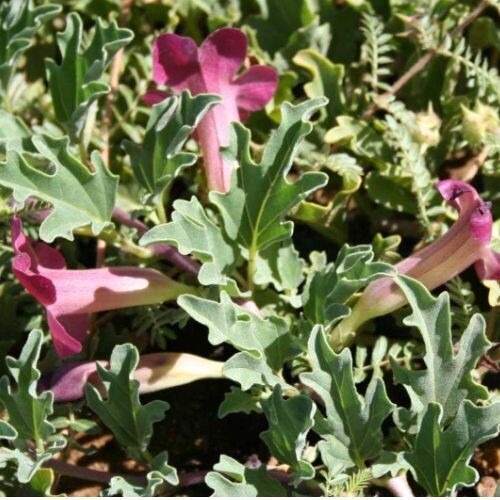
With its claw-like fruits covered in hooked spines, it’s easy to see how devil’s claw earned its name. In fact, animals who step on the pods are said to perform a “bedevilled dance” to shake them free - a fitting image for a plant whose roots have become famous for easing pain and stiffness in aching joints.
Native to the dry savannas of southern Africa, devil’s claw thrives in sandy soils and open spaces where it’s resilient against drought and competition. Once dismissed as a nuisance weed, it’s now highly valued - both by local communities who’ve used it for generations, and worldwide for its remarkable pain and anti-inflammatory properties.
Traditional roots
Indigenous peoples of southern Africa have long turned to devil’s claw for:
- Digestive troubles (thanks to its strong bitterness)
- Topical use on wounds, ulcers, and skin infections
- Fever, migraines, and blood conditions
- Pain relief for arthritis and rheumatism
Women traditionally used it during childbirth - taking small amounts to ease labour pains, or applying ointments made from fresh tubers to prepare for difficult births. Its uterine-toning effects have even been supported by modern pharmacology.
Why it works
The star compounds are iridoid glycosides - particularly harpagoside - which are linked to devil’s claw’s:
- Anti-inflammatory actions (inhibiting COX pathways, like NSAIDs)
- Analgesic (pain-relieving) qualities
- Bitter tonic effect on digestion and the gallbladder
This bitter edge not only helps the stomach and liver work better, but may also explain its link to easing arthritic conditions - since poor digestion and sluggish elimination often aggravate inflammation.
Modern uses
Today, devil’s claw is widely used in supplements and tinctures for:
- Arthritis, rheumatism, and fibrositis
- Joint pain, stiffness, and back pain
- Indigestion and poor appetite
Clinical studies show promising results: some found improved mobility and reduced pain in people with hip, knee, and back pain, while others showed more modest benefits. Differences may be down to how it’s prepared - since harpagoside can break down in the stomach, some researchers suggest enteric-coated preparations or taking it between meals for best absorption.
Beyond joint comfort
Devil’s claw continues to be explored for endometriosis, postpartum support, and inflammatory conditions. Its history as both a food medicine and a healing root reflects its versatility - aligning perfectly with how bitter plants can also act as deep, systemic tonics.
© EquiNatural 2026. All content is original work protected under copyright, and may not be re-published, duplicated, or rewritten for commercial use without permission.