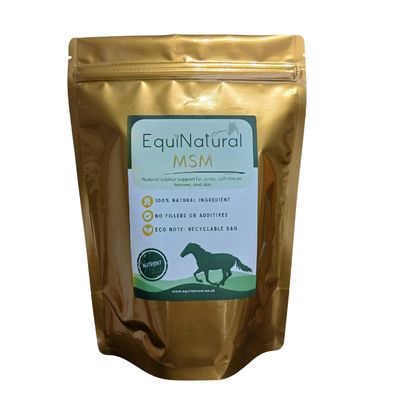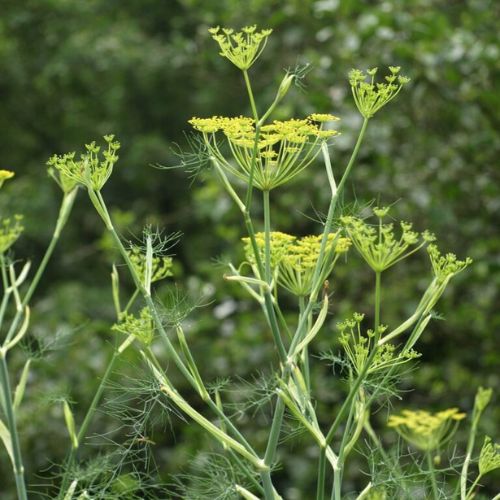
FENNEL for Horses (Foeniculum vulgare) | Digestive Bloat & Gas Support
Benefits of Fennel Seed for Horses
Gentle, aromatic, and deeply comforting, fennel seed is one of herbalism’s most trusted digestive allies.
Traditionally used to ease wind, soothe digestive tension, and support smooth gut movement, it’s especially helpful for horses prone to bloating, gas, or post-feed discomfort.
Naturally carminative and lightly warming, fennel helps the digestive system relax and release – making it a calm, kind choice for everyday gut support or periods of digestive sensitivity.
Please note this is a nutritional, functional horse food supplement and not veterinary medicine. See Dr Kellon's Horse Sense - 'Nutrition is not 'Alternative' Therapy.
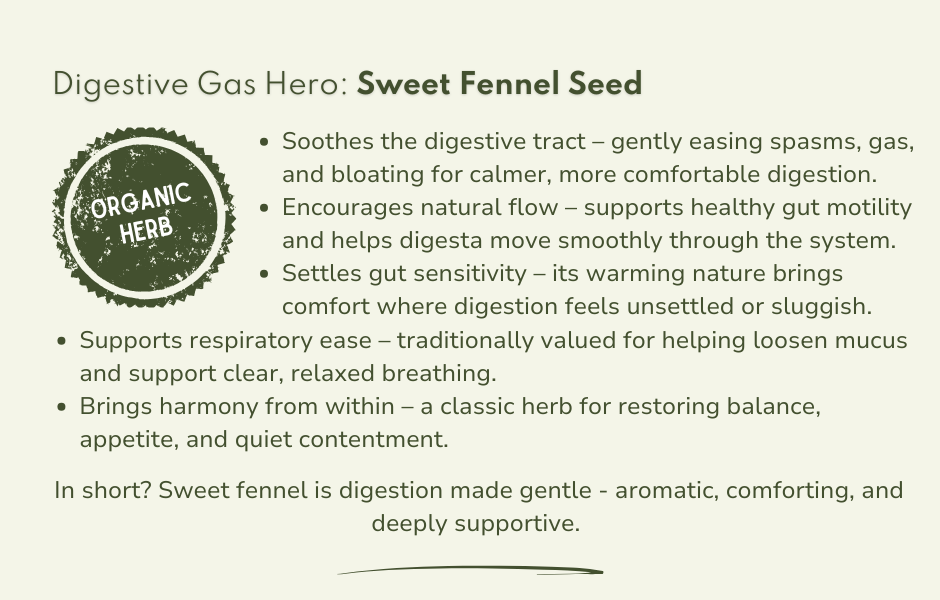
Find Organic Fennel in the EquiNatural range
An invaluable herb in our supplement support for horses, here’s where you’ll also find Fennel Seed across our range:
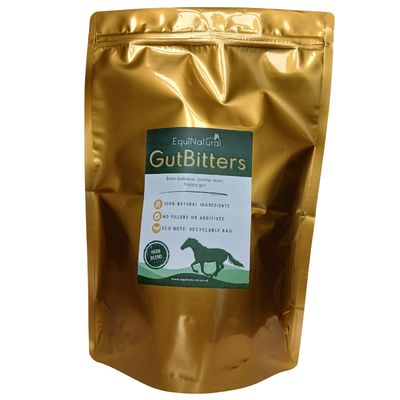
- GutBitters - all-season digestion, bitter balance, gut harmony
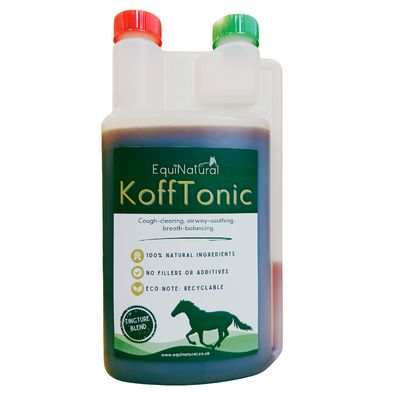
- KoffTonic - airway-clearing, lung-soothing, respiratory resilience
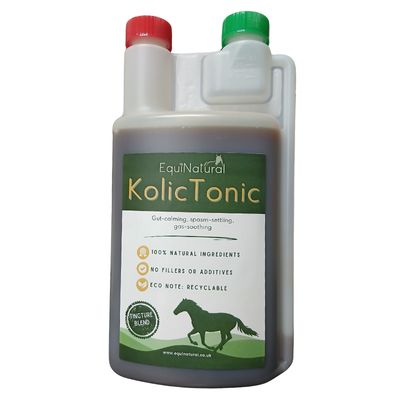
- KolicTonic - spasm-settling, gas-soothing, gut-calming
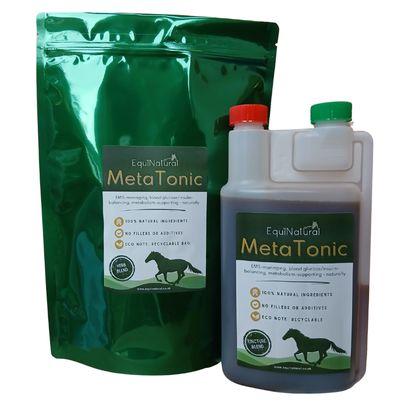
- MetaTonic - EMS-steadying, insulin-balancing, metabolism-supporting
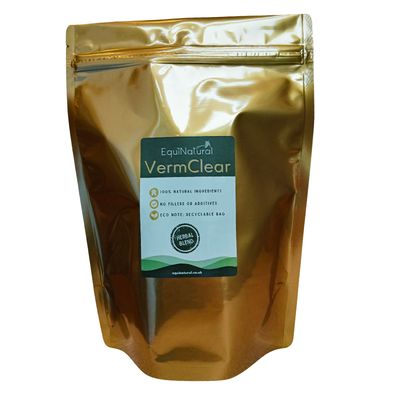
- VermClear - parasite-clearing, gut-rebalancing, herbal-harmony
Composition & Feed Guide
💧Organic Fennel Seed Tincture
Our human-grade, certified organic tinctures give you a ready-to-absorb potent source of phytonutrients at the highest-strength available, for immediate absorption straight into the bloodstream and to the body’s cells.
- Foeniculum vulgare , Seed
- Infused 1:3 35%
- Organic Cultivated
~ Feed Guide - 6ml/100kg bodyweight, daily in feed.
🌿Organic Dried Fennel Seed
Grown, harvested and dried without the use of agri-chemicals, non-irradiated and GMO free - see our Quality page for Quality Management & Certification Documents.
- Foeniculum vulgare , Seed
- Organic
- Origin Egypt
~ Feed Guide - 5g/100kg bodyweight per day, i.e. 25g for a 500kg horse.
Functional Nutritional Value
Constituents: Volatile oils (anethole, fenchone, estragole), flavonoids, phenolic acids, fatty acids, mucilage, coumarins, sterols, sugars, fibre, proteins, and trace minerals including calcium, magnesium, potassium, and iron.
Footnotes
- Laboratory tested for identification and compliance to the British and European Pharmacopoeia standards.
- Human grade.
- Please be aware that if you're purchasing our dried botanicals for human use, our dried range is cut to appropriate sizes for feeding to horses.
- ♻️ Eco Note: Our packaging is recyclable and refillable.
- 🧊 Storage Tip: Keep cool and dry.
Clinical Considerations
Fennel Seed is a gentle, aromatic herb traditionally used to support digestion and natural gastric comfort. It is generally very well tolerated by horses and is a very useful palatability food for fussy eaters.
Advisories
- Introduce gradually, as with all herbs, especially for horses with sensitive digestion.
- Fennel has mild carminative (gas-relieving) qualities. If your horse is on prescription digestive medication, it’s sensible to check with your vet before adding any new digestive herb.
Contraindications
- Always check with your vet before feeding to pregnant or nursing mares, due to limited safety data on aromatic seeds during pregnancy.
- If your horse is receiving hormone-regulating medication, check with your vet before adding herbal support.
Fennel Seed in History & Tradition
The sweet, soothing seed with a surprisingly epic backstory
If herbs had personality types, fennel would be the cheerful dinner-guest: aromatic, sweet-natured, helpful with digestion, and always ready with a fun historical anecdote. Its botanical name, Foeniculum vulgare , comes from the Latin for “little hay,” which says a lot about its soft, earthy, slightly sweet fragrance.
And if you’ve ever crushed fennel seeds between your fingers, you know exactly why ancient cooks and herbalists adored them - warm, aromatic, and lightly liquorice-like. (They’re close cousins of anise, and they do like to be confused for one another.)
But fennel has never been just a flavouring for pastries and pickles. Its story is wide-ranging, steeped in myth, medicine, folklore, and even warfare.
Fennel - more famous than you’d think
The ancient Greeks called it marathon — not because fennel is great for jogging, but because the famous Battle of Marathon took place in a field covered in wild fennel. After their unexpected victory over Persia, the Greeks adopted fennel as an emblem of strength, longevity, and triumph.
And in Greek mythology, Prometheus smuggled the gift of fire to humanity inside a hollow fennel stalk. You could say fennel literally carried human civilisation forward.
The Romans loved it too - for its scent, its flavour, and yes, its herbal magic. Pliny cheerfully claimed that fennel helped snakes shed their skins and improved human eyesight. (Ancient physicians did enjoy a dramatic flourish.)
In the Middle Ages, fennel was used to ward off evil spirits, hung over doorways on Midsummer’s Eve. And Italian folk witches, the benandanti , supposedly used fennel stalks as their otherworldly weapons. One can only admire the imagination.
A herbal powerhouse
Botanically speaking, fennel belongs to the carrot family - which means it rubs shoulders with celery, parsley, dill, coriander, and… poison hemlock. (A useful reminder to always know your plants before foraging!)
But it’s the seed- technically the fruit - that steals the spotlight in herbalism.
Fennel seed is beloved as a:
- Carminative- easing trapped gas and gentle digestive discomfort
- Antispasmodic- relaxing a tight, tense gut
- Soother for nausea and “griping”
- Digestive tonic- gently warming and supportive for appetite
- Supportive herb for coughs
- Mellow companion for urinary irritation
And it does all of this with a friendliness that many stronger herbs simply don’t have.
Its aromatic oils (responsible for that glorious scent) help the gut muscles unclench, letting everything settle and move more comfortably. It’s why so many cultures chew fennel after meals - from India to the Middle East - and why fennel appears in Chinese Five Spice, Ayurvedic digestive blends, and old-fashioned European gripe water.
Renowned for digestive calm
Traditional uses for fennel include:
- Supporting infants with windy colic
- Easing nausea and sluggish digestion
- Comforting bloating and trapped wind
- Settling a dry, persistent cough
- Relaxing tension in the diaphragm or upper GI
- Gently helping things “move along”
Ayurveda considers fennel slightly cooling, perfect for balancing heavy, spicy foods without aggravating heat. Western herbalists tend to call it warming.
(The herb clearly enjoys defying categorisation.)
You can sip it as tea, sprinkle it on food, or simply chew a few seeds - nature’s original herbal breath mint.
Folk medicine & modern curiosity
Infant colic? Traditionally fennel. Cramps from digestive spasm? Fennel. Breath freshening? Fennel. Even eye irritation - cooled fennel tea was once used as an eyewash.
In some cultures, fennel seeds were believed to help courage, clarity, or protection. And for centuries, fennel has appeared in blends for:
- Lung comfort
- Windy colic
- Digestive weakness
- General tension in the gut
- Appetite stimulation
- Temporary constipation
It’s one of those herbs that seems to have quietly accompanied human civilisation wherever it went.
In short…
Fennel is sweet-natured, aromatic, and endlessly helpful. It soothes the gut, softens tension, eases wind, freshens the breath, and lends its warm, comforting scent to blends that need a little personality boost.
A kitchen favourite, a herbal classic, a friendly, reliable digestive ally for humans and horses alike.
© EquiNatural 2026. All content is original work protected under copyright, and may not be re-published, duplicated, or rewritten for commercial use without permission.