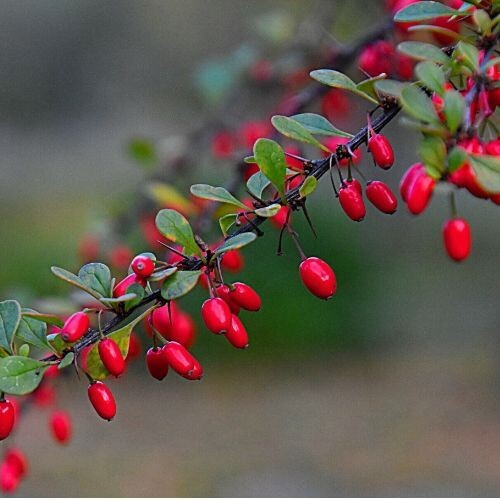
BARBERRY BARK for Horses (Berberis vulgaris) | Organic Metabolic Health & Digestive Support
Benefits of Barberry Bark for Horses
Have you ever noticed how some horses seem to gain weight just by looking at grass? Hello good doers - those horses whose waistlines seem permanently one step ahead of the rest of us. And when owners begin looking at metabolic support, Barberry is often one of the first herbs that enters the conversation.
Barberry isn’t just a pretty shrub - it’s a golden-rooted powerhouse for metabolic balance, digestion, and liver health, valued for centuries for it's naturally occurring berberine compounds. Rather than focusing on one system alone, it supports many of the natural processes that help the body regulate energy, digestion, and everyday metabolic balance.
Which is why it has become one of our favourite herbs for horses needing nutritional support as part of a sensible metabolic management plan.
*This a nutritional, functional food supplement and not veterinary medicine. For more information, refer to Dr Kellon's Horse Sense - Nutrition is not 'Alternative' Therapy
.
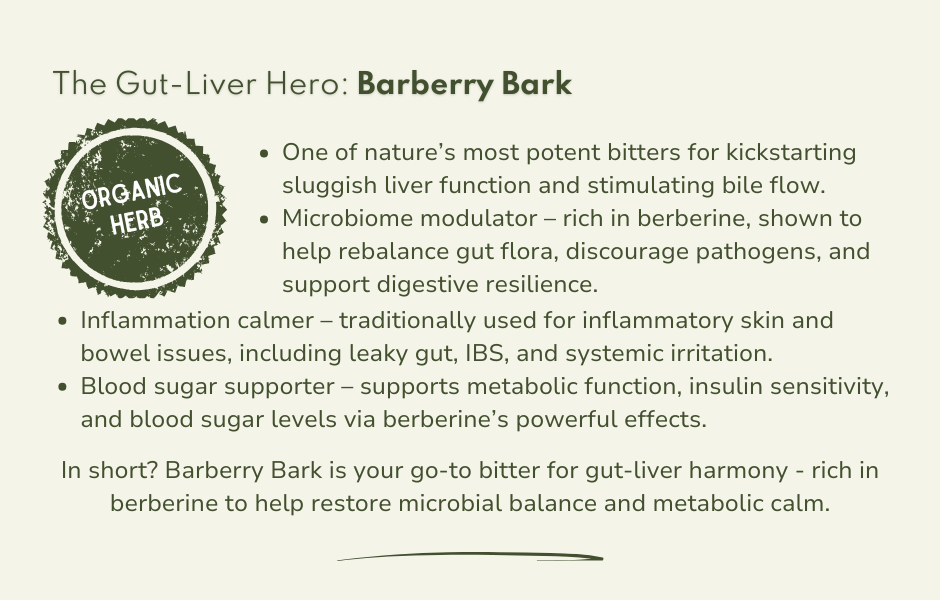
Find Barberry Bark in the EquiNatural range
Here's where you'll also find Barberry Bark across our supplement support for horses:
- LymeCARE - a comprehensive, regenerative nutritional plan for equine Lyme Disease
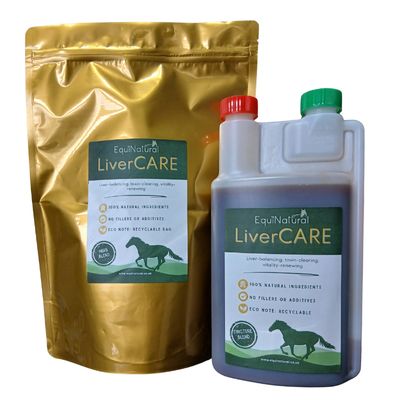
- LiverCARE - liver-balancing, toxin-clearing, vitality-renewing
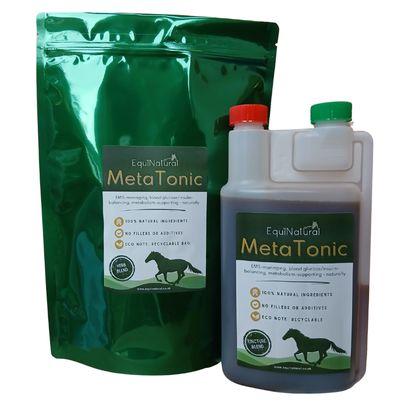
- MetaTonic - EMS-steadying, insulin-smoothing, metabolism-supporting
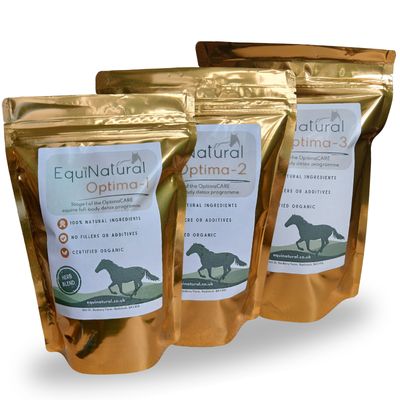
- OptimaCARE - a comprehensive, regenerative, nutritional 3-stage full-body detox for equine vitality
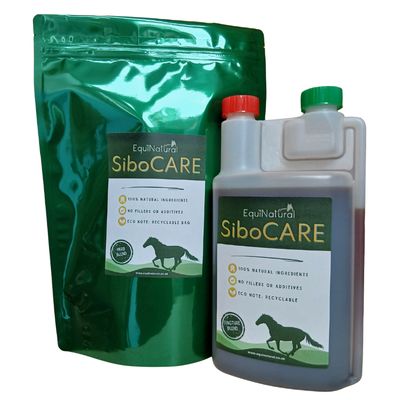
- SiboCARE- hindgut-supporting, SIBO-targeting, dysbiosis-harmony
Composition & Feed Guide
💧Organic Barberry Bark Tincture
Our human-grade, certified organic tinctures give you a ready-to-absorb potent source of phytonutrients at the highest-strength available, for immediate absorption straight into the bloodstream and to the body’s cells.
- Berberis vulgaris, Cut Bark, Dried
- Decocted 1:3 35%
- Wild Crafted
~ Feed Guide - 6ml/100kg bodyweight, daily in feed.
🌿Organic Barberry Bark
Grown, harvested and dried without the use of agri-chemicals, non-irradiated and GMO free - see our Quality page for Quality Management & Certification Documents.
- Berberis vulgaris, Cut Bark, Dried
- Wild Harvested
- Origin Pakistan
~ Feed Guide - 5g/100kg bodyweight per day, i.e. 25g for a 500kg horse.
Functional Nutritional Value
Constituents: Isoquinoline alkaloids, flavonoids, tannins, phenolic compounds, triterpenes, sterols, flavonols.
Footnotes
- Laboratory tested for identification and compliance to the British and European Pharmacopoeia standards.
- Human grade.
- Please be aware that if you're purchasing our dried botanicals for human use, our dried range is cut to appropriate sizes for feeding to horses.
- ♻️ Eco Note: Our packaging is recyclable and refillable.
- 🧊 Storage Tip: Keep cool and dry.
Clinical Considerations
Barberry Bark is a traditional herb used to support digestion and natural detox pathways. It’s generally well tolerated when fed at the recommended rate and is best suited to horses needing gentle nutritional support for gut and liver balance.
Advisories
- Usually well tolerated when introduced gradually and fed at the suggested amount.
- If your horse is receiving prescription medications - including long-term pain relief or anti-inflammatory drugs - check with your vet before use, as Barberry may influence how some substances are processed in the body.
Contraindications
- Not suitable for pregnant mares due to its naturally active constituents.
- Avoid in nursing mares, as safety during lactation has not been established.
Berberine in History & Tradition
The bright bark with a surprisingly sharp brain
Barberry is one of those herbs that looks far too cheerful to be as potent as it is. Its vivid yellow bark practically glows - which makes sense once you realise it contains berberine , the same sunshine-coloured compound that gives goldenseal and Oregon grape their famous vibrancy (and their equally famous bitterness).
If herbs were characters, barberry would be the sensible, clear-thinking one who tidies up the mess others leave behind. It’s been used for centuries across Europe, the Middle East, and Asia as a digestive tonic, a liver ally, a cooling herb for “hot and bothered” conditions, and a general system-settler when things have become a little disorganised.
Greek physicians wrote about it, medieval herbalists swore by it, and by the 19th century the Eclectics were using it for everything they politely described as “ bilious tendencies ” - translation: when the liver and digestion were in a mood.
The bitter that gets things moving
This is a herb that clears the backlog. Barberry’s bark is rich in berberine - a compound that herbalists traditionally lean on when they want to stimulate sluggish digestion, support the liver, or help the gut regain some microbial balance after stress, diet changes, or the kind of disruption that leaves everything feeling “off.”
Its bitter edge sparks digestive secretions, helping the stomach and liver remember how to behave. Traditionally, it’s been used for:
- Digestive stagnation
- Sluggish bile flow
- Skin flare-ups tied to digestive or liver congestion
- Gut microbial imbalance
Full disclosure - it's not the herb you take because it tastes nice. It’s the herb you take because it works.
Cooling, clearing, and steadying
Classically, barberry is considered cooling- the herbal equivalent of telling an overheated system to go sit in the shade and drink some water. It’s been used throughout history for “hot” conditions: inflamed tissues, overactive digestion, irritated liver states, and anything that needed steadying rather than stimulating.
And while berberine-rich herbs are enjoying a modern research renaissance, barberry has quietly been doing its job for centuries - keeping digestion regular, liver function sharp, and the whole system a little more balanced.
Why horses benefit
Barberry bark earns its place in the equine herbal toolkit for many of the same reasons humans love it:
- It supports a healthy liver during times of dietary change or digestive strain.
- Its bitter tone helps wake up a sluggish gut and encourage better digestive rhythm.
- Its traditional cooling action makes it a nice ally for horses who run a bit “hot,” inside or out.
- And its berberine content may support a more balanced microbial environment - particularly after wormers, antibiotics, or dietary upsets.
Small bark, big personality
Barberry doesn’t shout, but it definitely speaks up.
Bright, bitter, and brilliantly effective, it may not win any popularity contests for flavour - but the herbs that make you wince a little often make the biggest difference.
© EquiNatural 2026. All content is original work protected under copyright, and may not be re-published, duplicated, or rewritten for commercial use without permission.