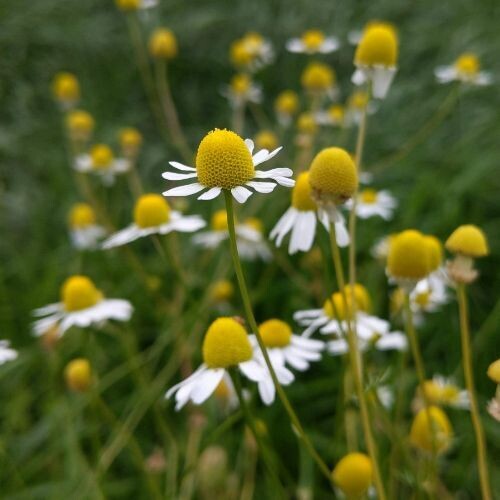
CHAMOMILE (Matricaria recutita) *Organic Calming & Digestive Support
Benefits of Chamomile for Horses
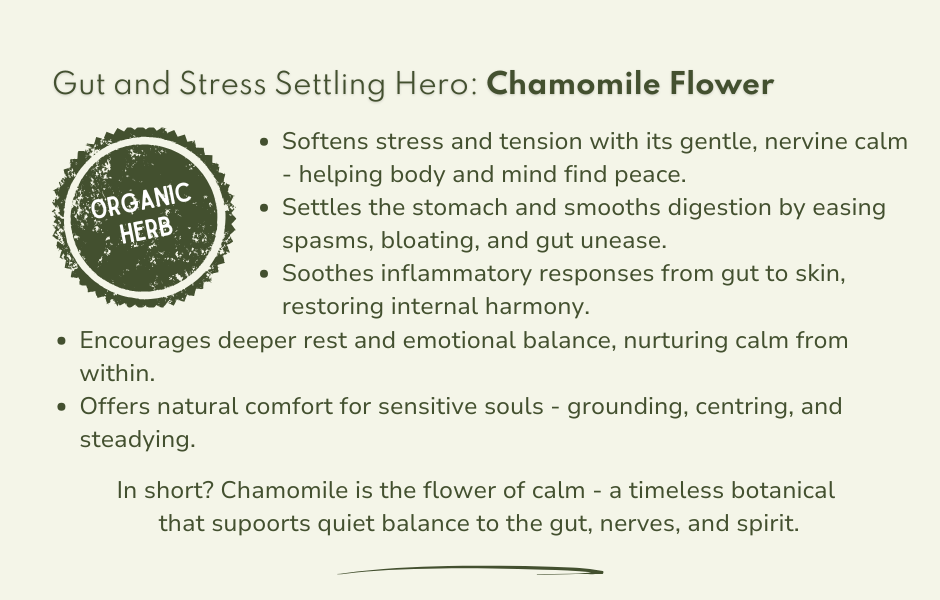
Chamomile might look delicate, but it’s a powerhouse for soothing tension in both gut and mind. Chamomile’s nervine and anti-inflammatory properties gently quieten the stress cascade while easing digestive unrest - restoring calm and balance from within.
Please note this is a nutritional, functional horse food supplement and not veterinary medicine. See Dr Kellon's Horse Sense - 'Nutrition is not 'Alternative' Therapy.
Find our Organic Chamomile in the EquiNatural Range
We use chamomile across many of our gut blends for its' digestive calming properties, and for its gentle anxiolytic actions. You'll find it in:
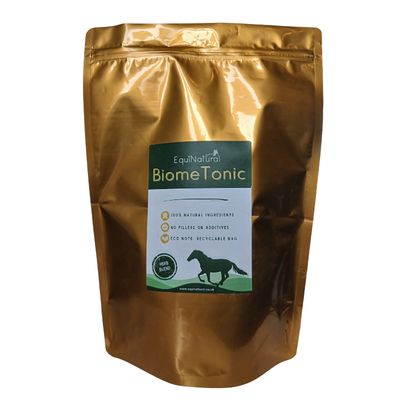
- BiomeTonic - pathogen-disrupting, gut-balancing, oily-herb heroes
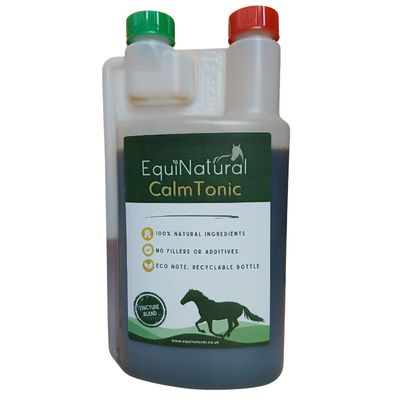
- CalmTonic - tension-easing, nerve-settling, focus-restoring
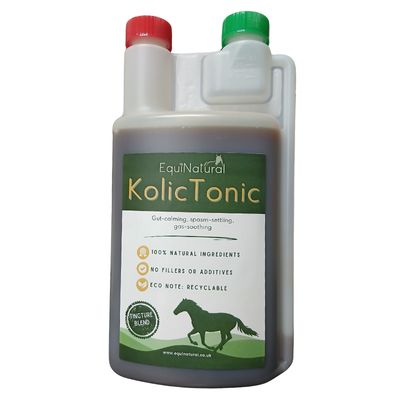
- KolicTonic - gut-calming, spasm-settling, gas-soothing
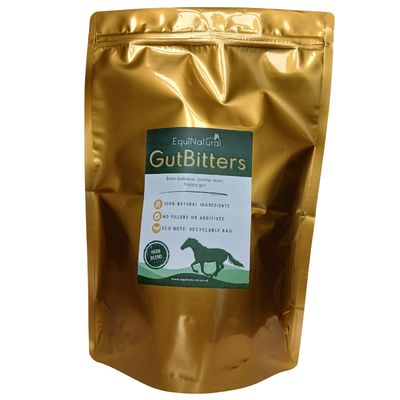
- GutBitters - all-season digestion, bitter balance, gut harmony
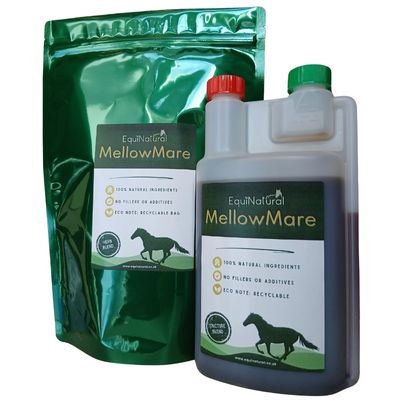
- MellowMare - hormone-balancing, season-soothing, mood-softening
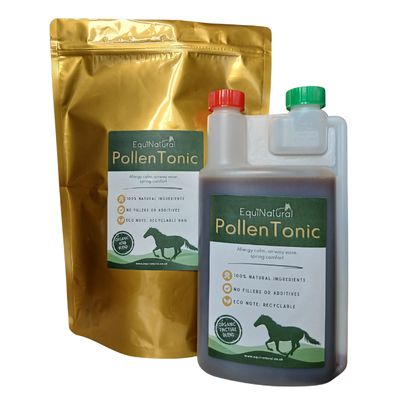
- PollenTonic - spring comfort, allergy and airway ease, immune-calming
- StressTonic - stress-resetting, adrenal-calming, equilibrium-restoring
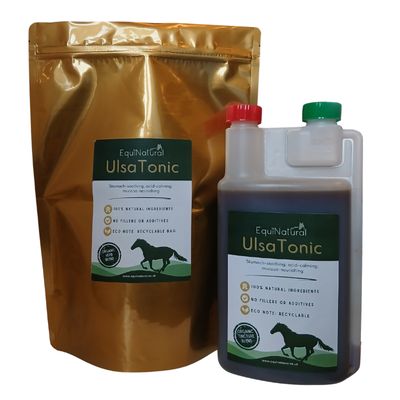
- UlsaTonic - stomach-soothing, acid-calming, mucosa-nourishing
Composition & Feed Guide
💧Organic Chamomile Tincture
Our human-grade, certified organic tinctures give you a ready-to-absorb potent source of phytonutrients at the highest-strength available, for immediate absorption straight into the bloodstream and to the body’s cells.
- Matricaria chamomilla (German Chamomile), Flowers
- Distilled / Infused 1:3 45%
- Organic Cultivated
~ Feed Guide - 6ml/100kg bodyweight, daily in feed.
🌿Organic Dried Chamomile Flower
Grown, harvested and dried without the use of agri-chemicals, non-irradiated and GMO free - see our Quality page for Quality Management & Certification Documents.
- Matricaria recutita, Flowers
- Organic Cultivated
- Origin Egypt
~ Feed Guide - 5g/100kg bodyweight per day, i.e. 25g for a 500kg horse.
Functional Nutritional Value
Constituents: Coumarins (umbelliferone, heniarin), flavonoids (apigenin, apigetrin, apiin, luteolin, quercetin, quercimeritrin, rutin), glycosides, tannins, 0.24-1.9% volatile oils ( -bisabolol (up to 50%), sesquiterpenes, cadinene, farnesene, furfural, spathulenol, matricarin, matricin), amino acids, anthemic acid, choline, polysaccharides, fatty acids.
Footnotes
- Laboratory tested for identification and compliance to the British and European Pharmacopoeia standards.
- Human grade.
- Please be aware that if you're purchasing our dried botanicals for human use, our dried range is cut to appropriate sizes for feeding to horses.
- ♻️ Eco Note: Our packaging is recyclable and refillable.
- 🧊 Storage Tip: Keep cool and dry.
Clinical Considerations
Chamomile is a gentle, soothing herb traditionally used to support relaxation, digestion, and general comfort. It is widely regarded as safe and very well tolerated by horses.
Advisories
- Safe for most horses when fed at the recommended amount, including during pregnancy and lactation.
- Chamomile may very slightly reduce the absorption of dietary iron. If your horse is receiving iron supplements, feed Chamomile at a different time of day.
- As a mild relaxant, it can have a gentle calming effect. Use with awareness if combining it with other calming or relaxation-focused products.
Contraindications
- None identified in typical equine use.
Chamomile in History & Tradition
Chamomile might look dainty, but don’t be fooled - this little flower is a heavyweight in the herbal world. A calming tea, a digestive anti-inflammatory, a skin soother, and even a pollinator magnet in the garden - chamomile does it all.
Its funky blue essential oil is a prized ingredient in cosmetics and pharmaceuticals, while its sweet, apple-like aroma has charmed herbalists and cooks for centuries. (It’s even used to flavour lemonades and lemon sorbets!) In the language of flowers, chamomile represents strength through resistance, inspired by the old English proverb:
“Like a chamomile bed, the more it is trodden, the more it will spread.”
A long, long history
Chamomile’s story stretches back thousands of years - literally. Traces of it, alongside yarrow, were found in the teeth of Neanderthals from 50,000 years ago. The Romans, Greeks, and Egyptians loved it for digestion, fevers, and calming the nerves. By the 16th century, chamomile was so popular that botanist Hieronymus Bock wrote there was nothing left to add - everyone already knew chamomile as the cure-all herb.
German physician Leonhart Fuchs prescribed it for everything from flatulence to jaundice to fevers, while others brewed it into soup for constipation and menstrual pain, or infused it in oil for wound care.
Why we still love it today
Chamomile is one of the world’s most trusted nervines - herbs that calm the nervous system. It’s famous for:
- Easing anxiety, stress, and tension
- Encouraging restful sleep (it's renowned as nature’s bedtime tea)
- Relaxing digestive spasms and soothing IBS, colitis, ulcers, bloating, and indigestion
- Soothing minor skin issues such as sunburn, rashes, and wounds when used topically
How does it work?
Chamomile is rich in volatile oils such as apigenin , thought to bind to calming receptors in the brain (similar to how some sleep medications work, but far gentler). Its antispasmodic action relaxes smooth muscles in the digestive tract, easing cramps and discomfort, while its mild bitterness supports healthy digestion and appetite.
It’s so safe and gentle that chamomile tea is often given to children and babies for colic and tummy upsets - and it’s still one of the most widely used herbal teas in the world.
From calming frayed nerves to settling the stomach, chamomile is endlessly soothing.
© EquiNatural 2026. All content is original work protected under copyright, and may not be re-published, duplicated, or rewritten for commercial use without permission.